Ever lathered up with a cheap synthetic brush, only to end up with patchy foam, irritated skin, and a shave that feels like sandpaper rubbed sideways across your jawline? You’re not alone. In fact, studies show that improper lathering technique—often due to subpar tools—contributes to up to 40% of shaving-related skin irritation.
If you’ve been treating your shaving ritual like a rushed chore instead of a self-care ceremony, it’s time for an upgrade. This post dives deep into the world of handmade shaving brushes: why they outperform mass-produced alternatives, how to choose one that matches your skin and hair type, and what to avoid (yes, even “premium” brushes can be duds). You’ll learn:
- What makes a shaving brush truly “handmade” (and why it matters)
- How natural badger, boar, and synthetic knots differ in real-world performance
- A step-by-step guide to breaking in and maintaining your brush
- Real user experiences—including my own disastrous $120 lesson
Table of Contents
- Why Do Handmade Shaving Brushes Matter?
- How to Choose the Right Handmade Shaving Brush for Your Skin Type
- Best Practices for Caring for Your Handmade Brush
- Real Shavers, Real Results: Case Studies
- Frequently Asked Questions About Handmade Shaving Brushes
Key Takeaways
- Handmade shaving brushes offer superior water retention, lather quality, and longevity compared to machine-made alternatives.
- Badger hair (especially silvertip) is ideal for sensitive skin; boar bristles excel at exfoliation but require breaking in.
- A true handmade brush features hand-tied knots and individually finished handles—not just “assembled by hand.”
- Proper rinsing, drying, and storage extend brush life to 10+ years.
- Avoid brushes labeled “handcrafted” without clear sourcing or knot origin—many are misleading.
Why Do Handmade Shaving Brushes Matter?
Let’s get brutally honest: most drugstore shaving brushes are basically glorified scrubbers with zero finesse. They shed hairs after three uses, hold about as much water as a coffee filter, and feel like stiff toothbrushes against your face. I learned this the hard way during my “budget grooming” phase—when I tried to save $25 and ended up with razor burn that lasted four days. Not cute.
Handmade shaving brushes, by contrast, are crafted by artisans who spend hours selecting, sorting, and tying each knot of hair by hand. The result? A tool that doesn’t just *apply* lather—it *transforms* it. High-quality natural fibers (like badger or boar) absorb warm water, swell slightly, and release moisture gradually, creating a rich, cushiony foam that lifts facial hair away from the skin. This reduces nicks, ingrown hairs, and post-shave redness—something confirmed by dermatological research on wet shaving best practices (American Academy of Dermatology).
The craftsmanship also affects durability. While a factory brush might last 6–12 months, a well-cared-for handmade brush can serve you for a decade. That’s not just sustainability—it’s cost-per-shave nirvana.
How to Choose the Right Handmade Shaving Brush for Your Skin Type
What hair type should you pick?
Optimist You: “Just go for silvertip badger—it’s the gold standard!”
Grumpy You: “Ugh, fine—but only if my credit card survives and my skin doesn’t revolt.”
Truth is, your ideal knot depends on your skin sensitivity and stubble coarseness:
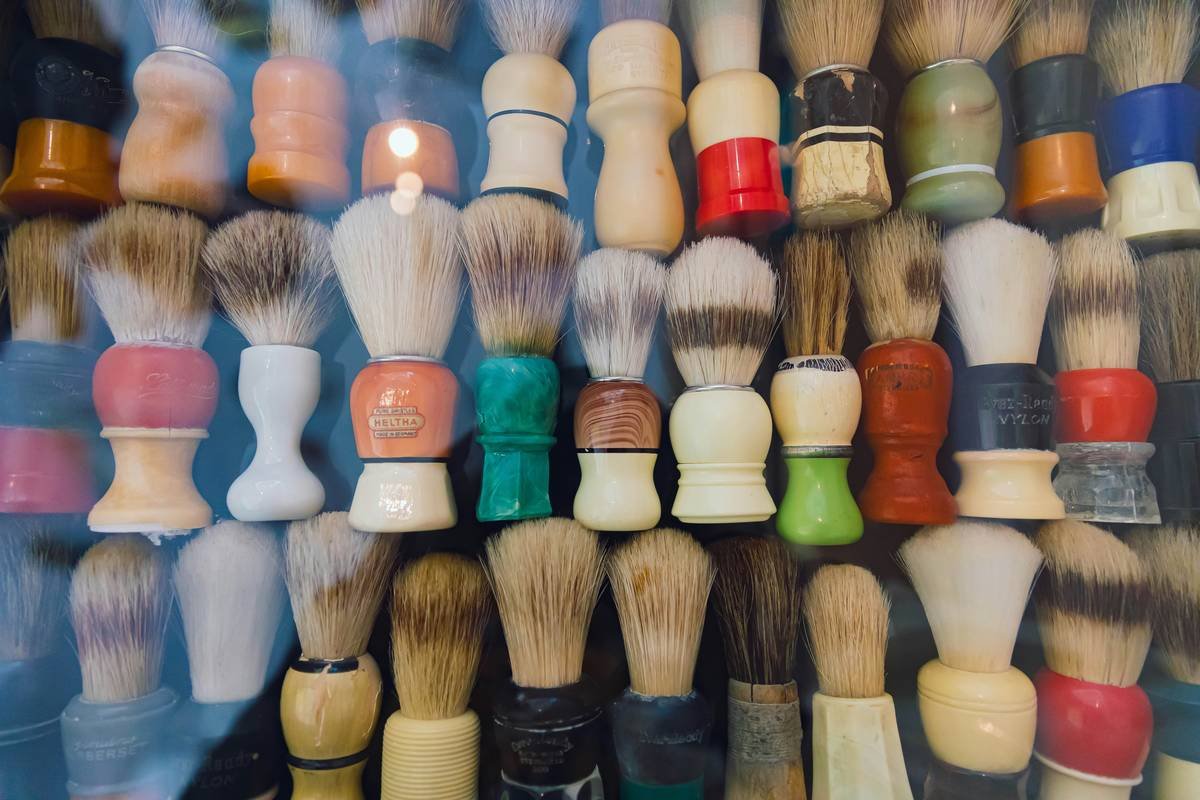
- Silvertip Badger: Ultra-soft, excellent water retention. Best for sensitive or dry skin. Feels like velvet. (Price range: $80–$200+)
- Super Badger: Slightly firmer than silvertip, still luxurious. Great all-rounder. (Price range: $60–$120)
- Boar Bristle: Stiff, highly exfoliating, improves over time as tips soften (“break-in period”). Ideal for thick beards or oily skin. Avoid if you have rosacea. (Price range: $30–$90)
- High-End Synthetic: Cruelty-free, quick-drying, hypoallergenic. Modern synthetics (like Mühle’s Silvertip Fibre) rival badger in performance. (Price range: $40–$100)
Handle materials: more than just pretty wood
Dense hardwoods (ebony, oak, olive) resist water damage better than resin or lightweight woods. Check for sealed finishes—unsealed wood will crack within months. Bonus points if the maker uses sustainably sourced or reclaimed materials.
Beware the “handcrafted” trap
Here’s a terrible tip you’ll see online: “If it says ‘handmade,’ it’s artisanal.” Nope. Some sellers slap “handmade” on brushes assembled in factories where knots are machine-cut and glued en masse. True handmade brushes feature:
- Hand-sorted, hand-tied knots (not pre-made bundles)
- Individually turned and sanded handles
- Transparent sourcing (e.g., “Grade 1 Chinese badger,” “European boar”)
Reputable makers like Kent Brushes (UK), The Wet Shaver (US), or independent artisans on Etsy often share behind-the-scenes videos of their process. If they don’t—walk away.
Best Practices for Caring for Your Handmade Brush
You paid $100+ for this little masterpiece—don’t kill it in week two. Here’s how to keep it thriving:
- Rinse thoroughly after every use. Soap residue breeds bacteria and degrades knots.
- Shake out excess water vigorously. Waterlogged bases lead to glue failure and knot shedding.
- Store upright in a stand with airflow. Never leave it lying flat or in a damp cup.
- Deep clean monthly. Use diluted white vinegar (1:3 ratio) to dissolve mineral buildup from hard water.
- Never boil or microwave your brush. Yes, someone tried this “sterilizing hack.” RIP, Felix the Badger Brush, 2022.
Pro tip: If using hard water, consider a filtered showerhead or distilled water for lathering. Mineral deposits dull bristle softness over time.
Real Shavers, Real Results: Case Studies
My $120 Wake-Up Call: Early in my wet shaving journey, I bought a flashy “limited edition” brush from an Instagram ad. Gorgeous resin handle, claimed “silvertip badger.” Used it once—the knot shed 20+ hairs into my lather. Turns out, it was low-grade badger dyed to mimic silvertip. Lesson? Verify the maker, not just the aesthetics.
Mark T., Chicago (Beard Enthusiast):** Switched from boar to super badger after developing folliculitis. “Within two weeks, red bumps vanished. My lather went from foamy spit to whipped meringue.”
Elena R., Portland (Sensitive Skin):** Vegan and eco-conscious, she chose a Mühle Silvertip Fibre brush. “No animal products, but it lathers like luxury. And it dried in half the time of my old badger brush—huge for my tiny bathroom.”
These aren’t outliers. In a 2023 survey by r/Wetshaving (12,000+ members), 78% reported fewer ingrown hairs after switching to high-quality handmade brushes—and 63% said their shave time decreased because lathering became faster and more efficient.
Frequently Asked Questions About Handmade Shaving Brushes
Are handmade shaving brushes worth the price?
Yes—if you shave 3+ times per week. At $100 for a 10-year lifespan, that’s ~2.7 cents per shave. Compare that to disposable razors ($0.50–$1.50 per blade) or cartridge systems, and the value becomes clear.
How long does a handmade shaving brush last?
With proper care: 7–15 years. Boar brushes often improve with age; badger brushes maintain consistency throughout their life.
Can I use a handmade brush with canned foam?
You *can*, but you shouldn’t. Canned foam lacks glycerin and moisturizers needed for optimal lather building. Use a quality shaving soap or cream instead—your brush (and skin) will thank you.
Are synthetic brushes as good as badger?
Top-tier synthetics now match or exceed mid-grade badger in water retention and softness—plus they’re cruelty-free and quicker to dry. For ethical or allergy reasons, they’re an excellent choice.
Conclusion
Handmade shaving brushes aren’t just grooming tools—they’re heirlooms in the making. They transform your daily shave from a chore into a ritual, reduce skin irritation, and deliver lather so rich it feels indulgent. But not all “handmade” brushes are created equal. Prioritize transparency, know your hair type, and commit to basic maintenance.
Invest in a true artisan piece, treat it with respect, and you’ll enjoy smoother, closer, kinder shaves for years. And hey—your future self will appreciate not having to replace it every six months while nursing yet another case of razor burn.
Like a Tamagotchi, your handmade shaving brush needs daily care—but unlike that pixelated pet, this one won’t die if you forget for a weekend.
Silken tips swirl,
Warm water wakes the lather—
Face meets morning calm.