Redness. Razor burn. That stinging sensation that lingers for hours after a shave. If you’ve got sensitive skin, your daily routine feels less like grooming and more like damage control. Standard shaving kits—loaded with harsh synthetics and stiff bristles—only make it worse. But there’s a better way. The right shaving accessories for men with sensitive skin don’t just reduce irritation—they transform your shave into a calming, protective ritual.
Why Most Shaving Accessories Fail Sensitive Skin
Most drugstore brushes use synthetic fibers or low-grade boar bristles. They’re scratchy, uneven, and trap bacteria. And those “sensitive skin” gels? Often packed with alcohol, fragrance, and foaming agents that strip your skin’s barrier—then vanish in 30 seconds. You’re left scraping metal over raw tissue.
Think about it: your face isn’t just skin—it’s a living microbiome. Aggressive tools disrupt its balance. The result? Inflammation masquerading as “normal post-shave tightness.” It’s not normal. It’s neglect.
Shaving Accessories for Men with Sensitive Skin: A Step-by-Step Guide
The fix isn’t complicated—but it is precise. Swap out three key items. Upgrade your technique. Watch irritation evaporate.
Choose a Silvertip Badger Brush—Not Just “Any” Brush
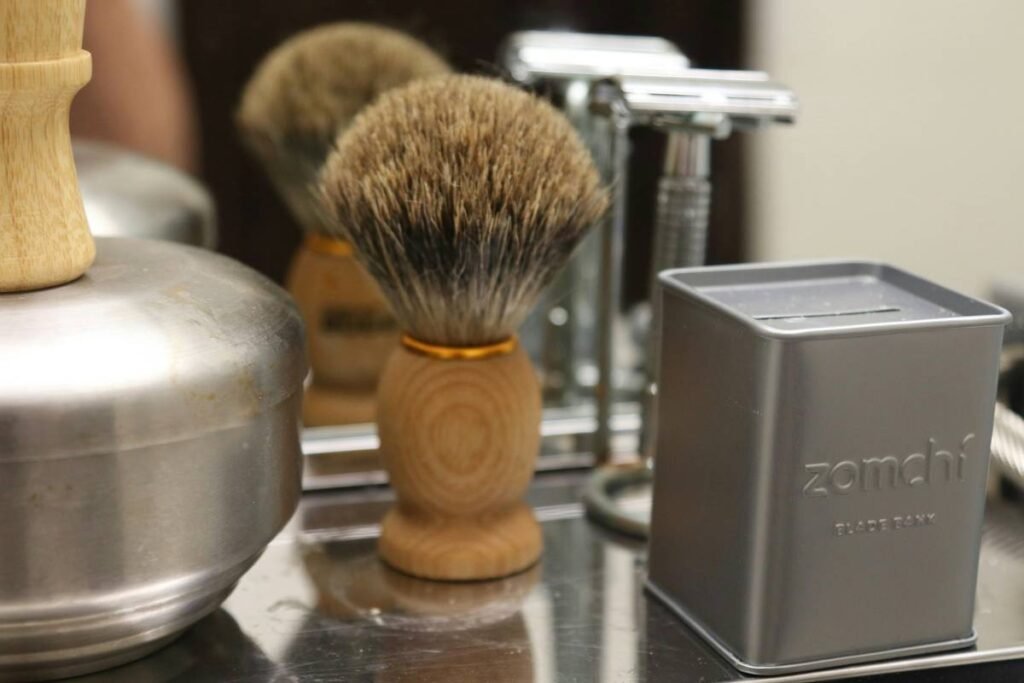
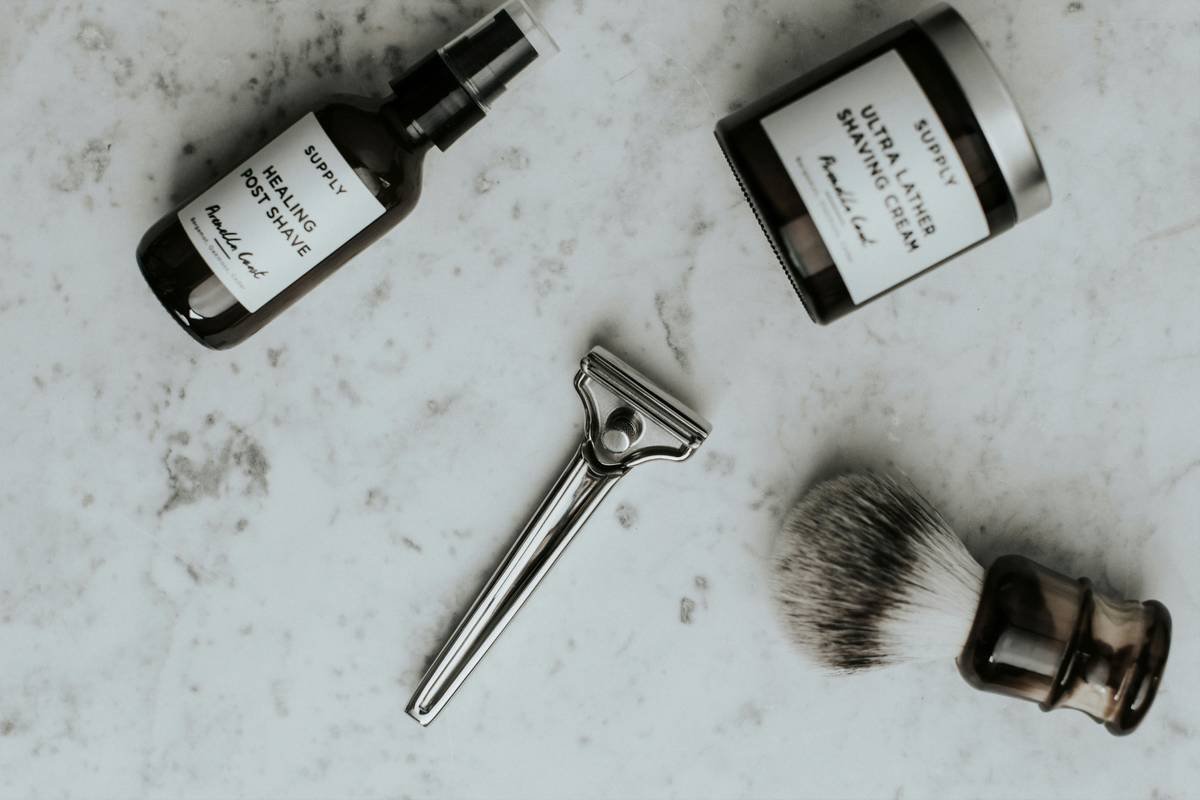
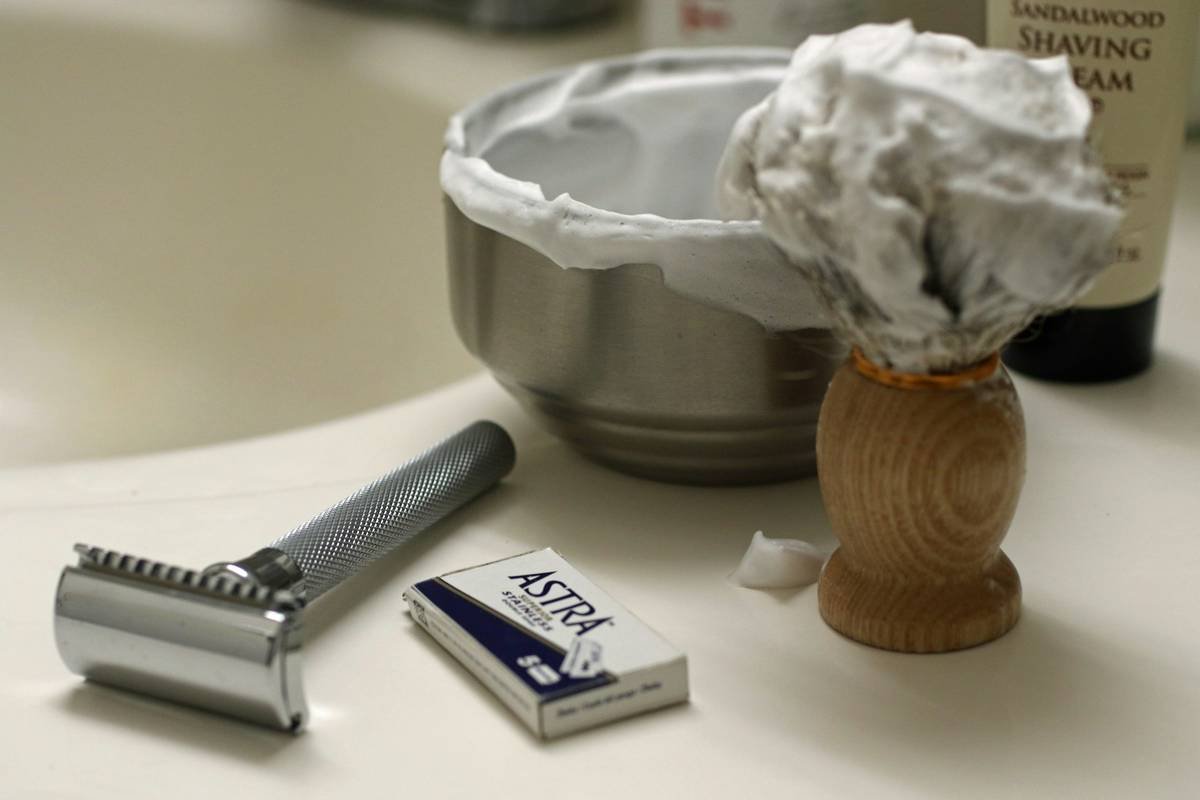
Silvertip badger hair is the gold standard for sensitive skin. Ultra-soft, naturally water-retentive, and tapered to create a dense, creamy lather without dragging. Unlike boar or synthetic brushes, it doesn’t pull or prick. It cushions.
Pick Alcohol-Free, Glycerin-Rich Shaving Soap
Avoid anything labeled “foam,” “gel,” or “cooling.” These often contain menthol (a known irritant) and drying alcohols. Instead, go for a glycerin-based shaving soap with soothing ingredients like chamomile, aloe, or colloidal oatmeal. Lather = protection.
Ditch Multi-Blade Razors for a Single-Edge Safety Razor
Counterintuitive? Maybe. But multi-blade razors lift and cut hairs below the skin surface—causing ingrowns and micro-tears. A single-edge blade glides cleanly once, reducing passes and pressure. Less contact = less trauma.
| Accessory Type | Budget Option | Premium Pick | Irritation Risk (1–10) |
|---|---|---|---|
| Brush Bristle | Synthetic (e.g., Plissoft) | Silvertip Badger | 7 vs. 2 |
| Lather Base | Aerosol Foam | Glycerin Shaving Soap | 8 vs. 3 |
| Razor Type | 5-Blade Cartridge | Single-Edge Safety Razor | 9 vs. 4 |
The Industry Secret: Pre-Shave Oil Isn’t Optional—It’s Essential
Here’s what brands won’t tell you: even the best brush and soap can’t fully protect dry, reactive skin. The missing link? A pre-shave oil formulated with squalane or jojoba—not mineral oil. Apply 3 drops before lathering. It creates a hydrophobic shield that lets the blade glide while keeping moisture locked in.
Barbers have used this trick for decades. Yet most “sensitive skin” kits omit it—because oil doesn’t foam, and non-foaming products don’t sell on shelf appeal. The math is simple: no glide = friction = redness. Add oil. End the cycle.
FAQ
Can I use a boar brush if I have sensitive skin?
No. Boar bristles are coarse and absorb too much water, leading to inconsistent lather and tugging. Opt for silvertip badger or high-grade synthetic like Omega’s S-Brush instead.
Are expensive shaving brushes worth it for sensitive skin?
Yes—if they’re genuine silvertip. Cheap “badger” brushes often mix lower grades. Look for hand-tied knots and visible silver tips. The softness directly correlates with reduced irritation.
How often should I replace my shaving brush?
Every 2–3 years with proper care. Rinse thoroughly, shake out water, and store bristle-down in a ventilated stand. Mold or shedding means replace it immediately—bacteria buildup worsens sensitivity.