Most men treat shaving like a chore—slap on some foam, drag a blade across stubble, and call it a day. The result? Razor burn, ingrown hairs, and that raw, sandpaper feeling by midday. And here’s the kicker: cheap lathering tools are silently sabotaging your routine. Switching to premium shaving brushes isn’t about luxury—it’s about science meeting skin.
The Core Problem With Generic Lathering Tools
Drugstore shave gels and synthetic sponges create a false sense of convenience. They sit on top of the skin instead of penetrating the hair shaft. No lift. No hydration. Just friction masquerading as efficiency.
Poor lather = poor shave. Period.
And most budget brushes shed bristles within weeks—or worse, harbor bacteria in low-grade handles that warp after two uses. You’re not saving time. You’re trading long-term skin health for five seconds of laziness.
How to Use Premium Shaving Brushes Like a Pro Barber
It’s not just what you use—it’s how you use it. Master this sequence, and your face will thank you every morning.
Selecting Your Bristle Type
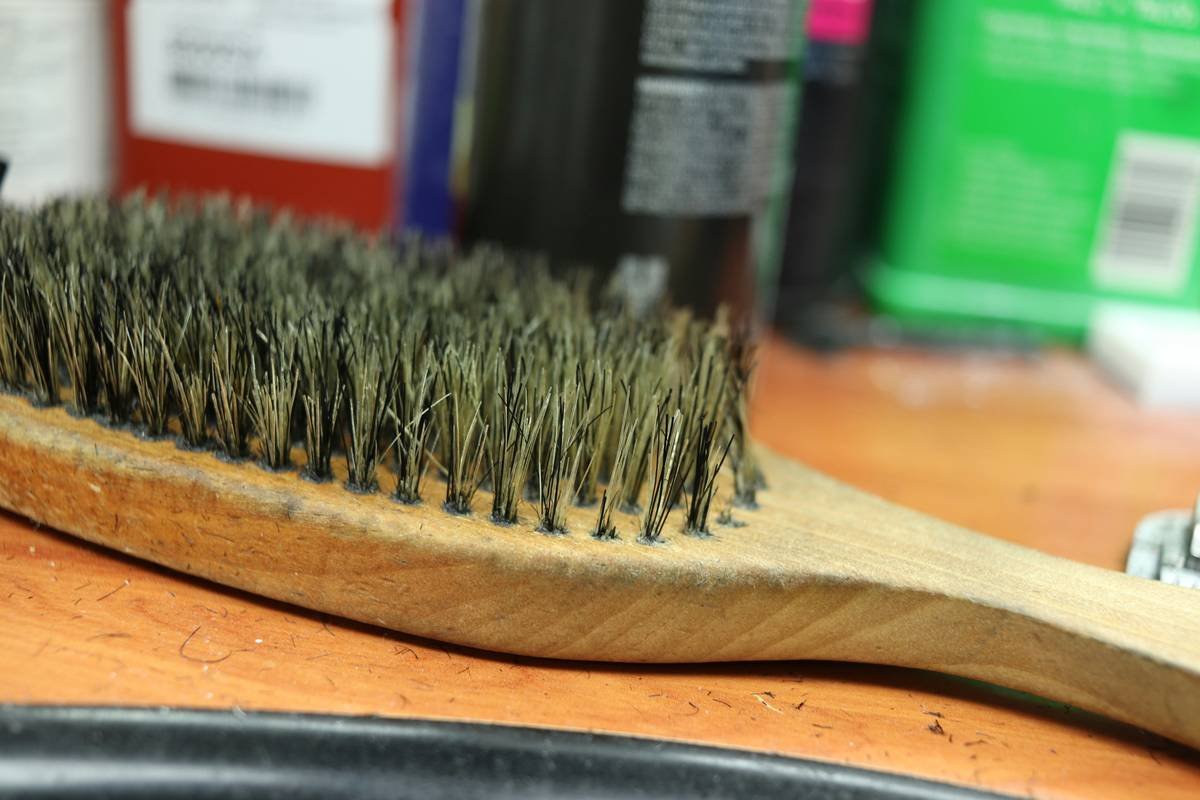
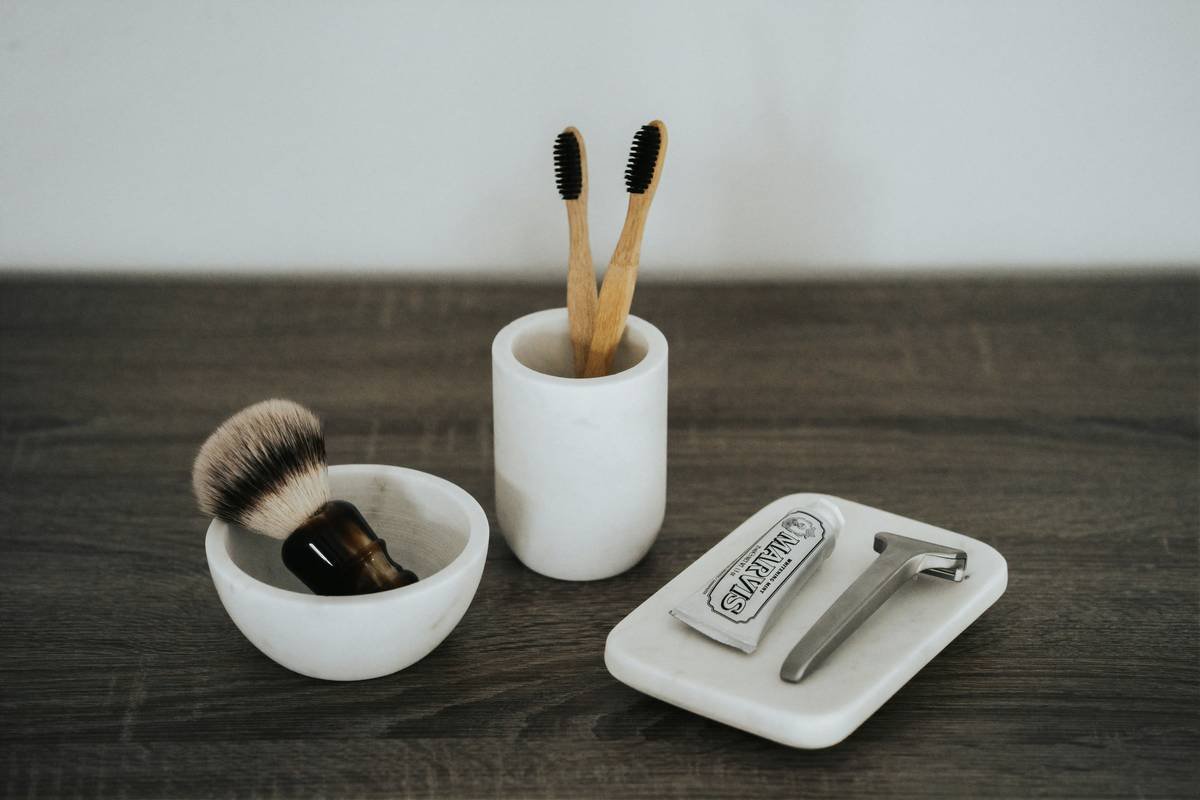
Badger hair dominates the premium market—but not all badger is equal. Look for “silvertip” or “high-grade pure” if you want softness without sacrificing backbone. Boar bristles? Excellent exfoliators, but too stiff for sensitive skin. Synthetic knots have improved dramatically—ideal for vegans or humid climates where natural hair degrades faster.
Building the Perfect Lather
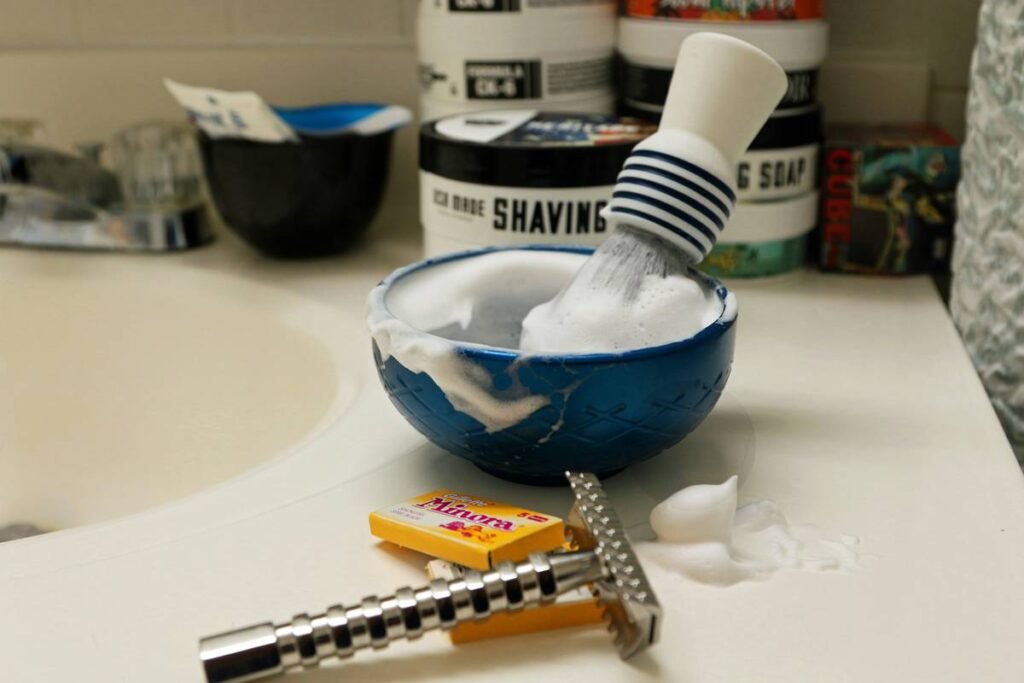
Soak your brush in warm water for 60 seconds. Shake off excess—dripping wet = weak lather. Swirl in hard soap or cream using firm circular motions for 45–60 seconds. Aim for a thick, meringue-like consistency. This isn’t foam. It’s insulation.
Application Technique That Changes Everything
Don’t paint the lather on like lotion. Work the brush into your beard in upward strokes. This lifts each hair away from the skin—critical for a clean cut with minimal tug. Spend 20 extra seconds massaging; the micro-exfoliation boosts circulation and reduces irritation.
| Lathering Method | Average Cost (First Year) | Lather Quality | Exfoliation Benefit | Longevity |
|---|---|---|---|---|
| Foam from aerosol can | $25 | Poor (thin, airy) | None | Disposable |
| Synthetic sponge + gel | $30 | Fair (slippery but shallow) | Minimal | 1–2 months |
| Premium shaving brushes (badger/synthetic) | $60–$120 | Excellent (dense, cushioning) | High | 3–7 years |
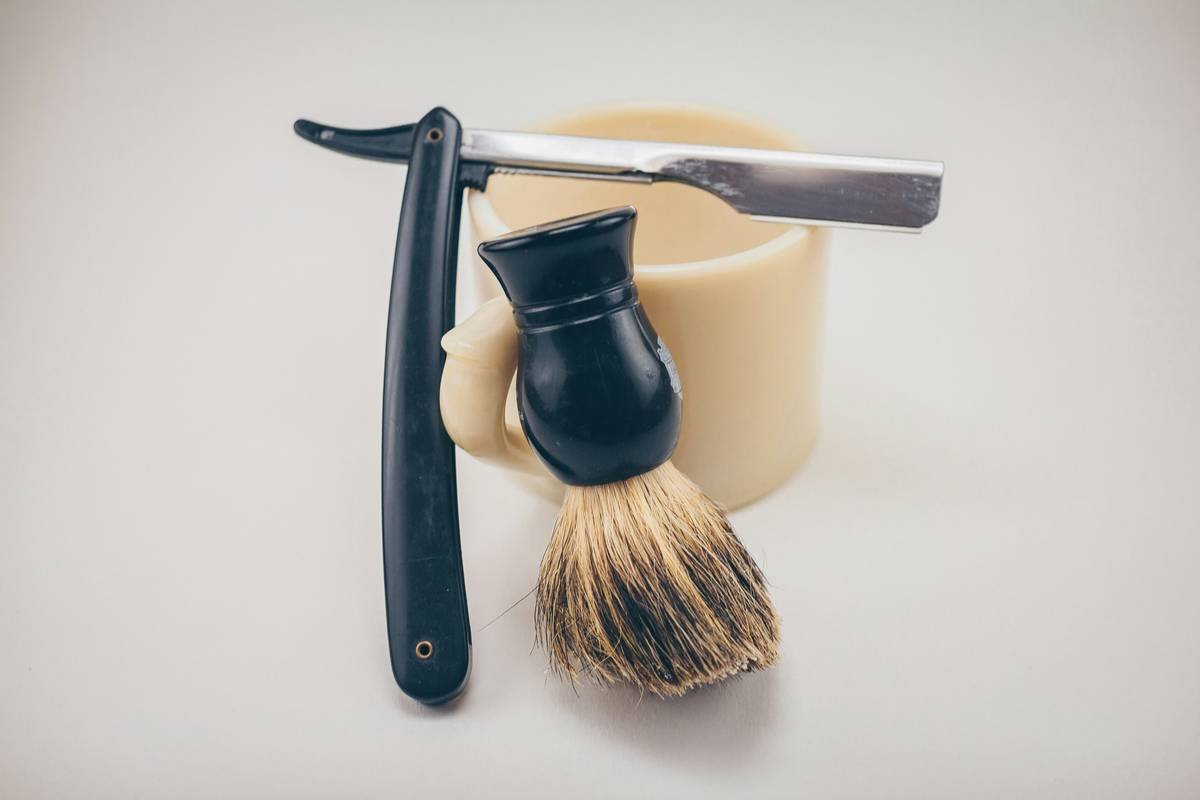
The Industry Secret Nobody Talks About
Barbershops don’t use expensive brushes just to impress clients. Here’s the reality: a well-built brush actually extends your razor’s lifespan. How? By reducing direct metal-to-skin contact through superior lubrication and hair lift. Less pressure needed = fewer nicks = sharper blades longer. One study found barbers using quality brushes changed blades 30% less often than at-home shavers using canned foam. The math is simple: spend $90 once, save $150 over two years in blades and post-shave balms.
But—and this is critical—not all “premium” labels mean anything. Some brands inflate prices by slapping fancy wood on mediocre knots. Inspect density: pinch the bristle tip. If it fans out loosely, it’s under-packed. A true premium knot feels springy yet cohesive.
Frequently Asked Questions
Are premium shaving brushes worth the price?
Yes—if you shave 3+ times weekly. The durability, skin protection, and lather quality deliver ROI within 6–8 months.
Can I use a premium shaving brush with any cream or soap?
Absolutely. In fact, they unlock the full potential of high-quality soaps that canned foam users never experience.
How often should I clean my premium shaving brush?
Rinse thoroughly after every use. Deep clean with mild shampoo once a week to prevent oil buildup and odor.