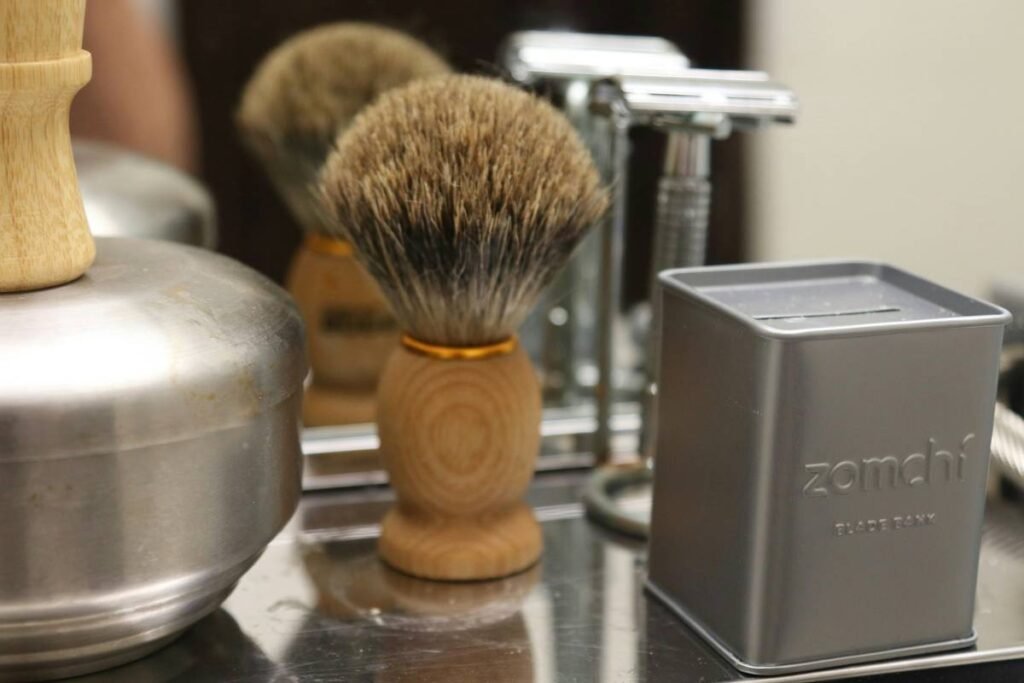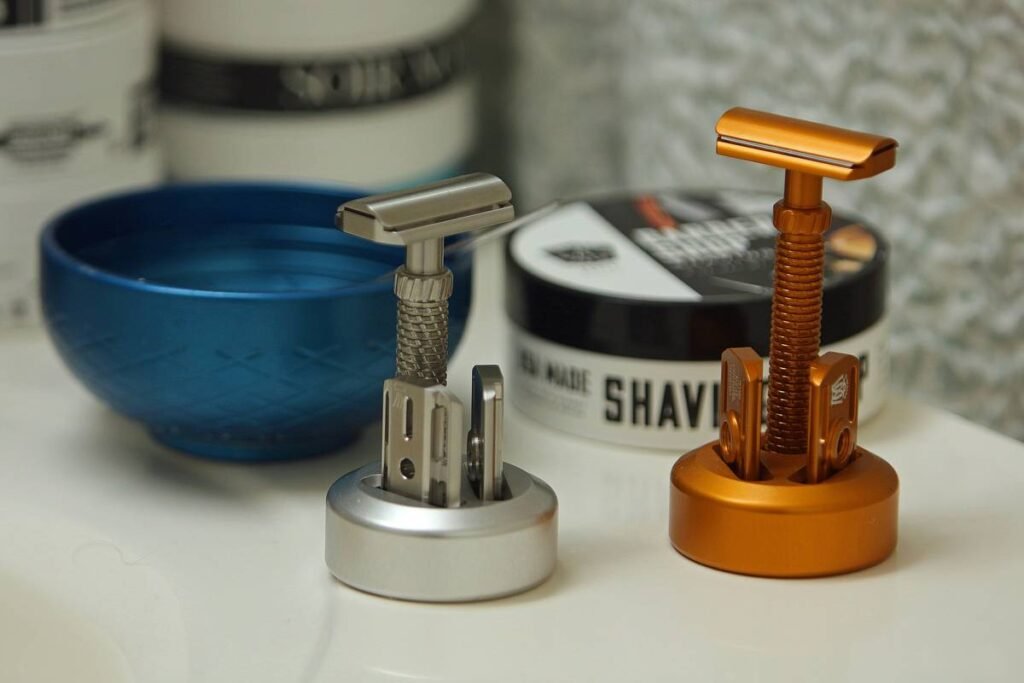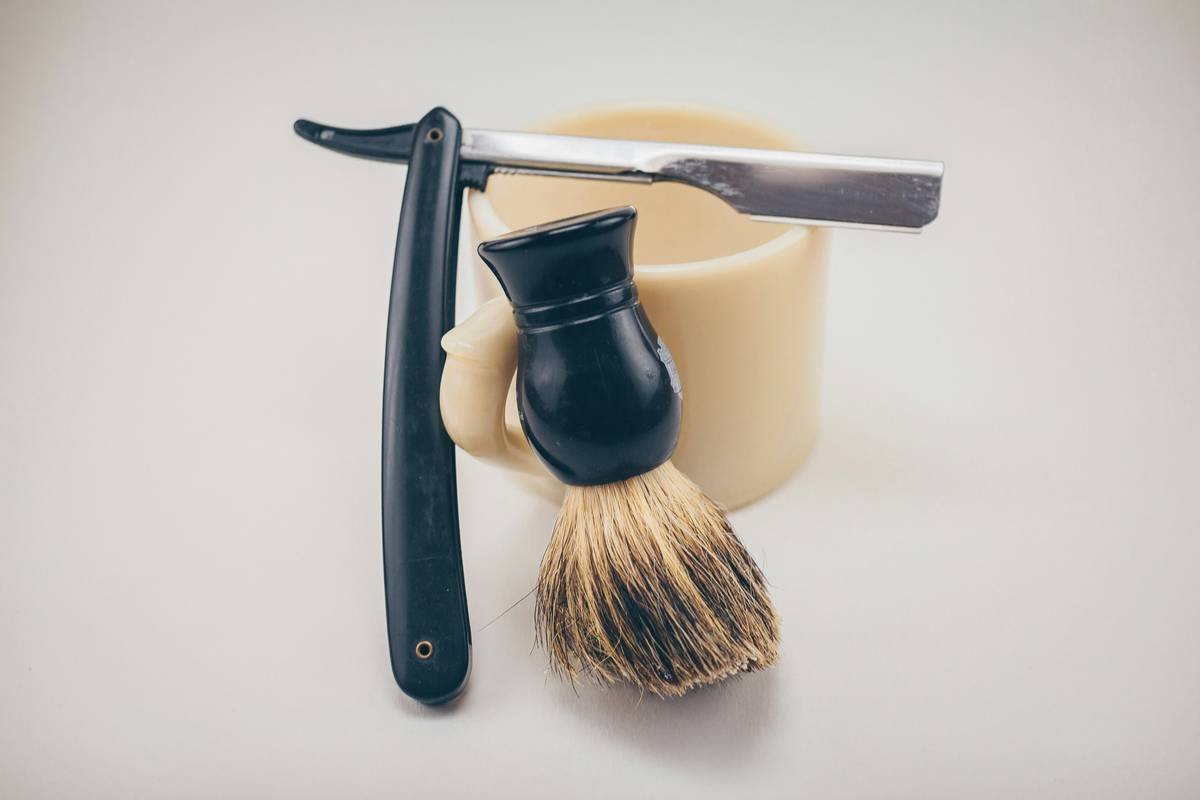
You spend 5 minutes lathering up with a stiff, dry brush—your skin burns afterward. You blame your razor. Or your cream. But the real culprit? The tools you’re using every morning. Most men treat their shaving brush and shaving accessories like afterthoughts. That’s why irritation, ingrown hairs, and patchy shaves haunt them. The fix isn’t expensive—it’s intentional.
Why Off-the-Shelf Shaving Brushes Fail You
Mass-market brushes are designed for shelf appeal—not skin performance. Synthetic bristles marketed as “hypoallergenic” often lack water retention. Boar hair? Too coarse for sensitive cheeks. And those cheap handles crack after three weeks of bathroom humidity. Here’s the reality: a shaving brush isn’t just a foam applicator. It’s a micro-exfoliator, pre-shave stimulator, and lather architect—all in one.
And if your knot is glued instead of knotted? It’ll shed bristles into your lather by month two. Guaranteed.
How to Build a High-Performance Shaving Brush and Shaving Accessories Kit
Forget “one-size-fits-all.” Your face isn’t generic—your kit shouldn’t be either. Start with core components that align with your skin type, beard density, and daily routine speed.
Choosing the Right Bristle Type
Silvertip badger? Luxurious—but overkill if you shave every other day. Vegan synthetics now rival natural fibers in softness and water-holding capacity. For thick, coarse beards, look for densely packed knots with 22mm+ loft. Sensitive skin? Opt for super-soft synthetic or silvertip with a slow-drying handle (like resin or turned wood).
Matching Handle Material to Your Environment
Bathroom steam wrecks cheap plastic. A solid chromed brass or stabilized wood handle survives years—not months. Weight matters too. Light brushes skip across stubble; heavy ones fatigue your wrist. Find the sweet spot: 60–85 grams.
Essential Complementary Accessories
A brush alone won’t save you. Pair it with a shallow scuttle for heat retention, a stand for air-drying, and a travel case that prevents bristle deformation. Skip the gimmicks—no LED-lit mugs or magnetic docks. Function first.
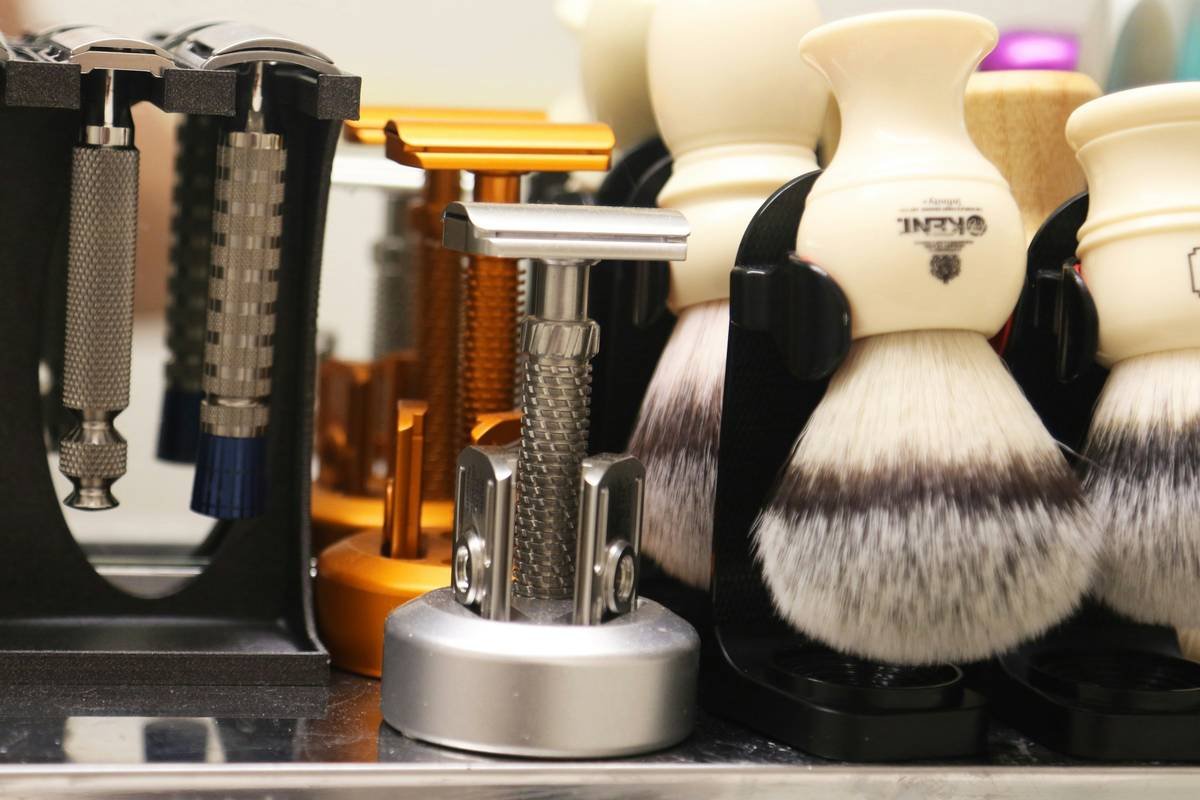
| Component | Budget Tier (<$25) | Performance Tier ($25–$60) | Enthusiast Tier (>$60) |
|---|---|---|---|
| Brush Bristles | Loose synthetic, poor water retention | Dense synthetic or pure badger, consistent lather | Silvertip badger or premium TGN, superior backbone & bloom |
| Handle | PVC or lacquered wood (swells/cracks) | Resin, chrome-plated metal, or sealed hardwood | Hand-turned exotic wood, solid brass, or CNC-machined aluminum |
| Lifespan | 3–6 months | 2–4 years | 5+ years (with proper care) |
| Ideal For | Occasional shavers, travelers | Daily shavers, sensitive skin | Beard veterans, ritual-focused users |
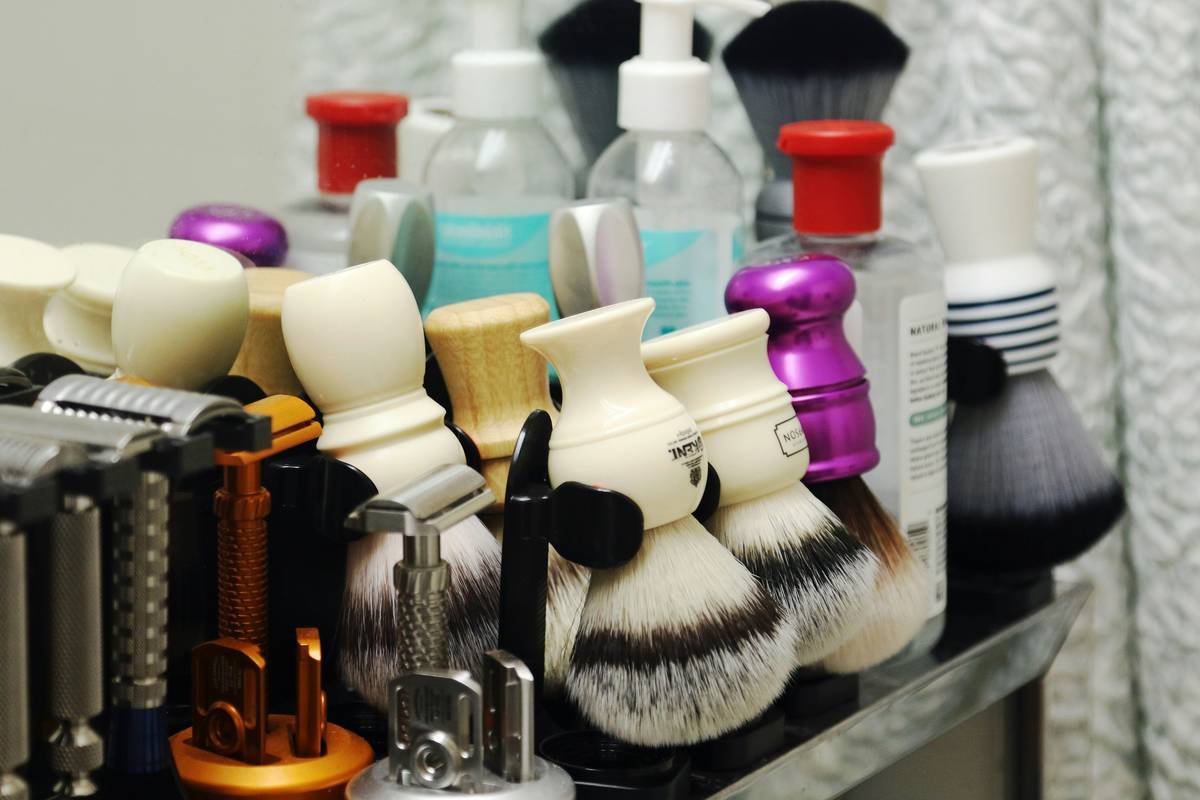
The Industry Secret: Pre-Soak Time Dictates Lather Quality
Most tutorials say “rinse your brush under hot water.” Wrong. Temperature matters less than saturation depth. The real pro move? Soak the knot for 60 seconds—not just the tips. Natural hair expands when fully hydrated, opening capillaries that trap air during swirling. That’s how you get that whipped, meringue-like lather that cushions the blade. Synthetics need only 20–30 seconds—they absorb faster but hold less total water. Miss this step, and even a $100 brush performs like a dollar-store sponge.
Frequently Asked Questions
Do I really need a shaving brush if I use canned foam?
No—if you enjoy razor burn and wasted product. Brushes lift hairs, distribute lubricant evenly, and exfoliate dead skin. Canned foam skips all three.
How often should I replace my shaving brush?
When bristles splay outward permanently or shed noticeably. With proper drying (upright, not enclosed), a quality brush lasts 3–5 years.
Can I use the same brush for face and body shaving?
Technically yes—but don’t. Facial skin is thinner. Use a softer knot for your face; reserve stiffer brushes for legs or chest.