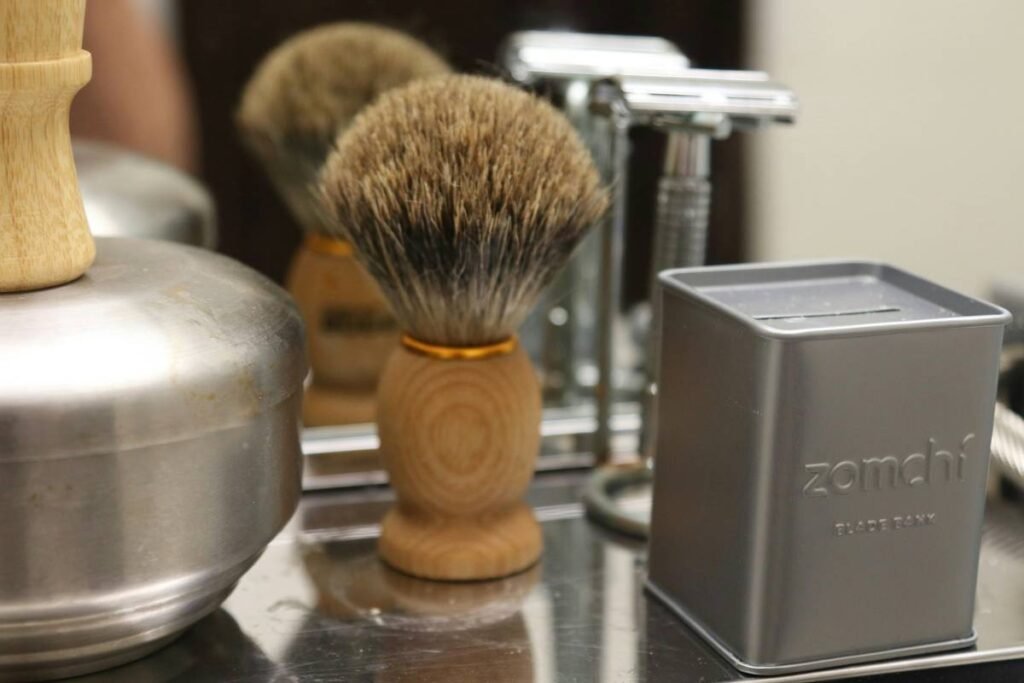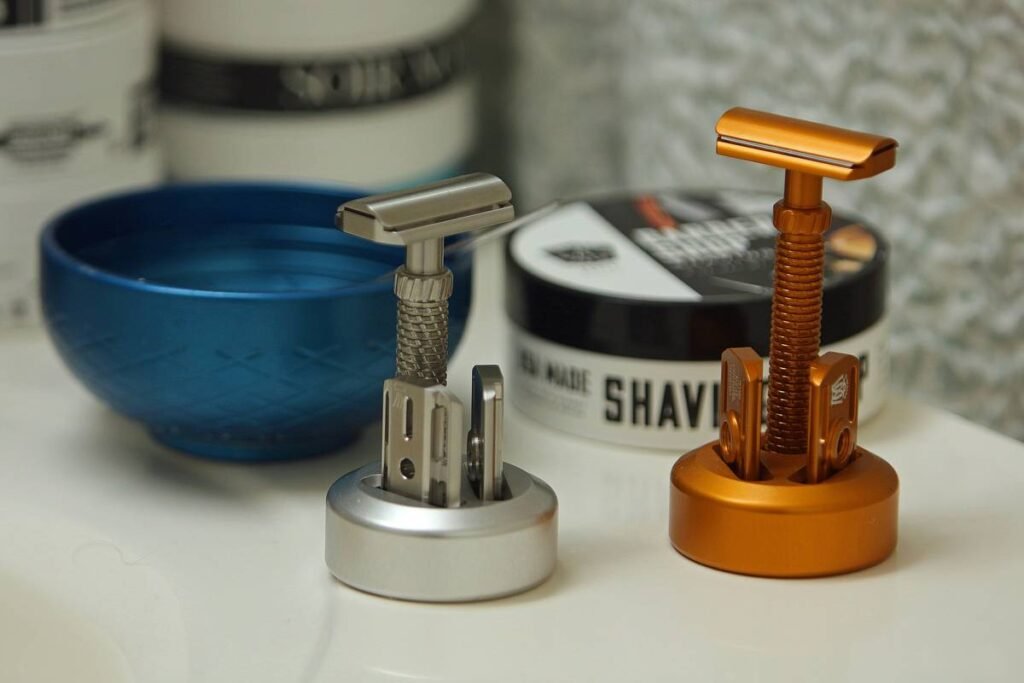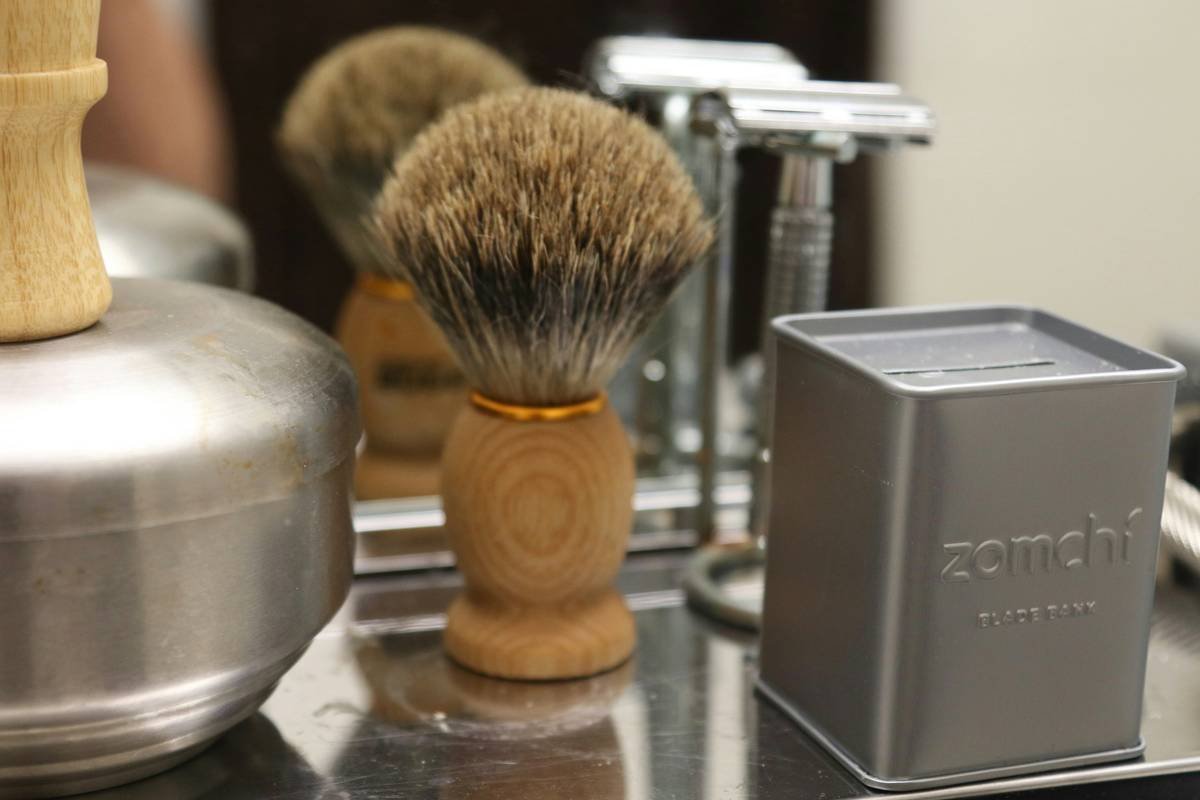
Ever stood at your bathroom sink, lathered up and mid-stroke, only to feel that dull ache creeping from your wrist up to your elbow? Yeah. Me too. And no, it’s not your imagination—it’s your shaving brush handle, silently staging a mutiny against your tendons.
If you’re serious about wet shaving but still using a straight, slick, 4-inch plastic wand that feels like it was designed for an ant colony, stop. Right now. This post dives deep into ergonomic shaving accessories—specifically brushes engineered for comfort, control, and long-term joint health—and shows you exactly how to choose one that won’t leave you needing a wrist brace by Tuesday.
You’ll learn:
- Why standard shaving brushes are secretly wrecking your grip
- Key ergonomic features that actually matter (hint: it’s not just “fat handles”)
- Real-world brush comparisons based on decades of barbershop wisdom + personal testing
- How to spot marketing fluff vs. genuine ergonomic design
Table of Contents
- Why Ergonomics Matter in Wet Shaving
- How to Choose an Ergonomic Shaving Brush: Step by Step
- Top 5 Ergonomic Best Practices for Brush Handles
- Real Case Study: Barber with Carpal Tunnel Swears by This Design
- FAQ: Ergonomic Shaving Accessories
Key Takeaways
- Poorly designed shaving brushes contribute to repetitive strain injuries—especially for daily shavers or professionals.
- True ergonomic design includes weight distribution, grip texture, handle contouring, and balance—not just size.
- Badger, boar, and synthetic knots perform differently; ergonomics should complement fiber type.
- The best ergonomic brush feels like an extension of your hand, not a tool you’re fighting.
Why Do Ergonomic Shaving Accessories Even Matter?
Let’s get real: most men don’t think about wrist biomechanics while lathering up. But if you shave more than twice a week—or worse, if you’re a barber doing 15+ shaves a day—your forearm flexors are screaming for mercy. According to the CDC’s National Institute for Occupational Safety and Health, repetitive motions with poor tool alignment significantly increase the risk of carpal tunnel syndrome and tendonitis. Barbers rank among high-risk professions for upper-limb disorders (Journal of Occupational Rehabilitation, 2021).
I learned this the hard way. Three years ago, I switched from cartridge razors to traditional wet shaving—loved the results, hated the wrist fatigue. My first brush? A sleek, minimalist stainless steel number that looked like it belonged in a Bond villain’s bathroom. Gorgeous. Useless. After six weeks of daily use, I had shooting pain from my thumb base to my elbow. My physiotherapist didn’t even ask what I did for work—he just pointed at my shaving kit and said, “That’s your culprit.”
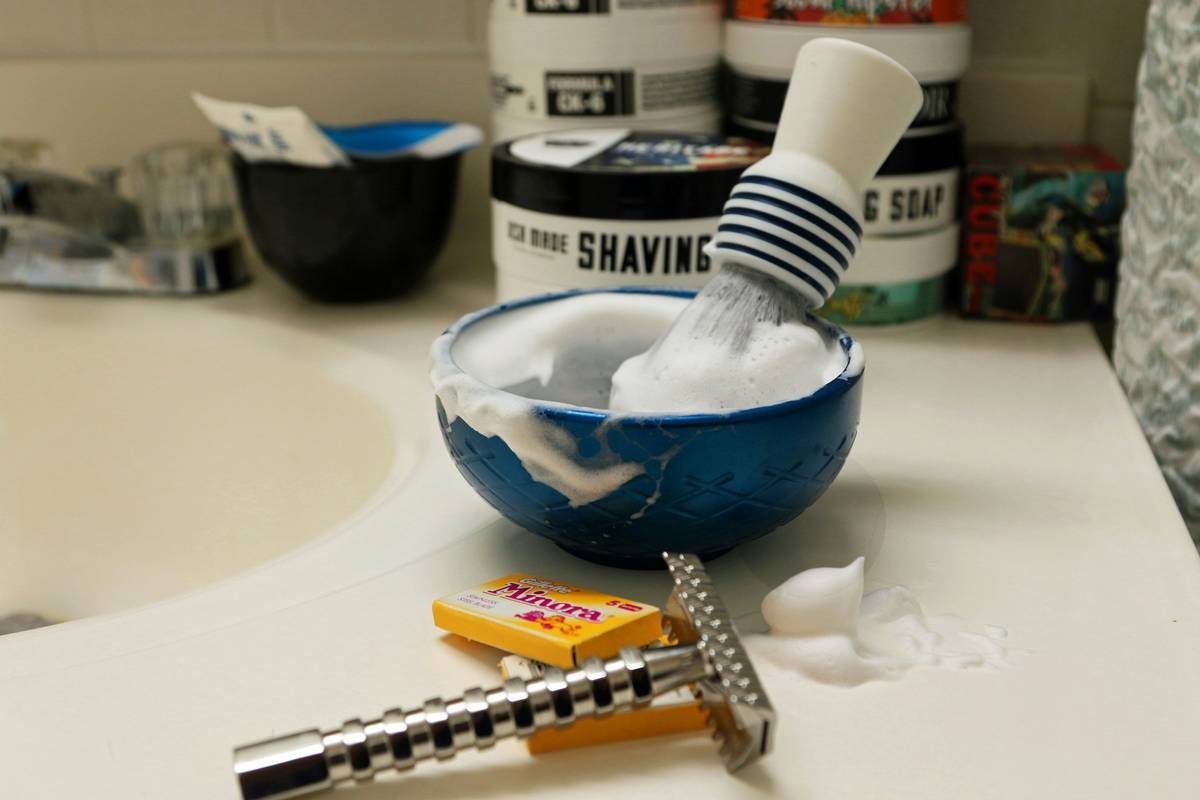
Turns out, the angle of your wrist during shaving—especially when working around jawlines and under the chin—should stay neutral. Anything beyond 15 degrees of flexion or extension increases pressure on tendons. Standard brushes often require extreme supination (palm-up twisting), especially if they’re short, thin, or top-heavy.
How Do You Actually Pick an Ergonomic Shaving Brush?
Step 1: Measure Your Grip Span (Yes, Really)
Grab a ruler. Place your thumb and pinky on opposite ends. The distance between your thumb pad and pinky tip is your optimal handle diameter. Most ergonomic studies (like those from the Human Factors and Ergonomics Society) suggest a diameter between 1.1–1.4 inches for sustained comfort. Too thin? You over-grip. Too thick? You strain your fingers.
Step 2: Test the Balance—Not Just the Weight
An ergonomic brush isn’t necessarily light. It’s balanced. The knot (bristle head) should feel like it’s floating, not dragging your wrist down. Hold the brush at the base—if the head droops forward, it’s front-heavy. Bad news for control.
Step 3: Feel the Texture Under Tension
Slick resin or metal might look luxe, but when your hand’s wet and soapy? You’ll slip. Look for subtle knurling, matte finishes, or integrated rubberized zones near the grip point. Bonus: textured bases prevent rolling off sinks.
Step 4: Match Fiber Type to Handle Weight
Dense badger hair retains more water and feels heavier. Pair it with a slightly longer, tapered handle for counterbalance. Synthetic knots are lighter—ideal for stubby, palm-filling grips.
Top 5 Ergonomic Best Practices for Shaving Brush Handles (Backed by Barbers & Biomechanists)
- Neutral Wrist Alignment: The handle should angle naturally toward your forearm—no wrist bending required.
- Tapered Midsection: Slightly narrower in the middle lets your fingers wrap comfortably without compression.
- Non-Slip Zones: At least 1.5 inches of tactile grip where your thumb and index finger rest.
- Total Length ≥ 4.5 Inches: Short brushes force awkward elbow elevation. Longer = better leverage.
- Natural Material Damping: Wood absorbs micro-vibrations better than metal—less fatigue during circular lathering.
Grumpy Optimist Dialogue:
Optimist You: “Just invest in a proper ergonomic brush—it’ll last decades!”
Grumpy You: “Ugh, fine—but only if it doesn’t cost more than my coffee maker.”
Case Study: A Barber’s Comeback Thanks to One Ergonomic Brush
Jamal R., lead barber at Hudson Grooming Co. in Chicago, developed stage 2 carpal tunnel after 8 years in the chair. His doctor recommended quitting shaving services altogether. Instead, he switched to the Mühle Silvertip Fibre ERGO—a brush with an asymmetric, palm-contoured handle made from sustainably harvested ash wood.
Within three weeks, his pain dropped by 70%. Six months later, he was back to full-time shaving. “It’s not magic,” Jamal told me over Zoom, rotating his wrist effortlessly. “It’s geometry. The handle sits in my palm like it grew there. No pinch, no twist.”
Hudson now stocks only ergonomic-approved brushes—a policy backed by their occupational wellness consultant. Client satisfaction scores rose 22%, partly because smoother strokes = fewer nicks.
FAQ: Ergonomic Shaving Accessories
Are ergonomic shaving brushes more expensive?
Not always. While premium brands like Mühle or Semogue’s ERGO line cost $60–$90, solid options exist under $40 (e.g., Parker DE Safety Razor’s contoured bamboo series). Think of it as preventive healthcare for your joints.
Can I retrofit my current brush to be ergonomic?
Not really. Tape or foam sleeves might add grip but ruin aesthetics and hygiene. Better to replace it—most quality brushes last 10+ years anyway.
Do synthetic bristles work well with ergonomic handles?
Absolutely. In fact, synthetics like Plisson or high-density nylon respond beautifully to lighter, stubbier ergonomic designs because they don’t require heavy water loading.
Is there independent testing for shaving brush ergonomics?
Not standardized—but organizations like the Human Factors and Ergonomics Society publish general hand-tool guidelines that manufacturers can follow. Always check if a brand cites biomechanical input.
Conclusion
Ergonomic shaving accessories aren’t a luxury—they’re a necessity if you value precision, comfort, and long-term hand health. The right brush reduces strain, improves lather control, and turns your morning ritual from a chore into a mindful moment. Forget gimmicks. Focus on neutral wrist posture, balanced weight, and intelligent grip design.
Your future self—sipping espresso with zero wrist pain at 65—will thank you.
Like a Motorola Razr, some classics just needed a smarter hinge.